
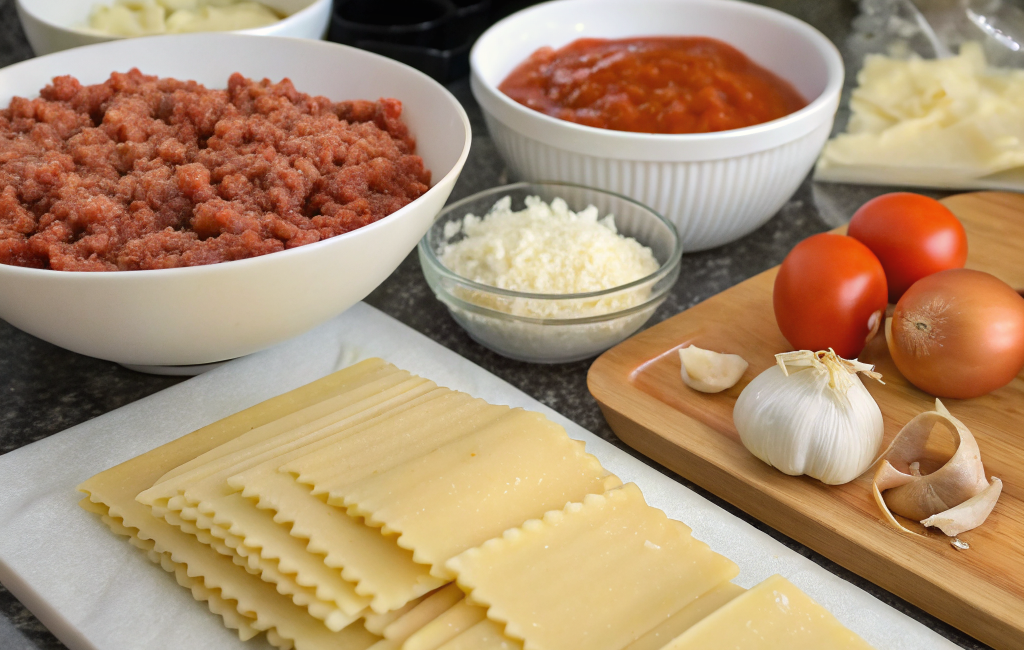
How to Cook Homemade Lasagna with Rich Meat Sauce
Have you ever wondered if the secret to truly unforgettable Italian dining actually lies in your own kitchen, not a fancy restaurant? While countless recipes promise authentic flavors, many fall short, leaving home cooks with dishearteningly bland results or overly complicated steps. But what if I told you that crafting a deeply flavorful, comforting dish like How to Cook Homemade Lasagna with Rich Meat Sauce is not only achievable but immensely satisfying, and perhaps even easier than you think? This guide will show you how to truly master the art of homemade lasagna, elevating your home cooking to new, delicious heights.
Ingredients List
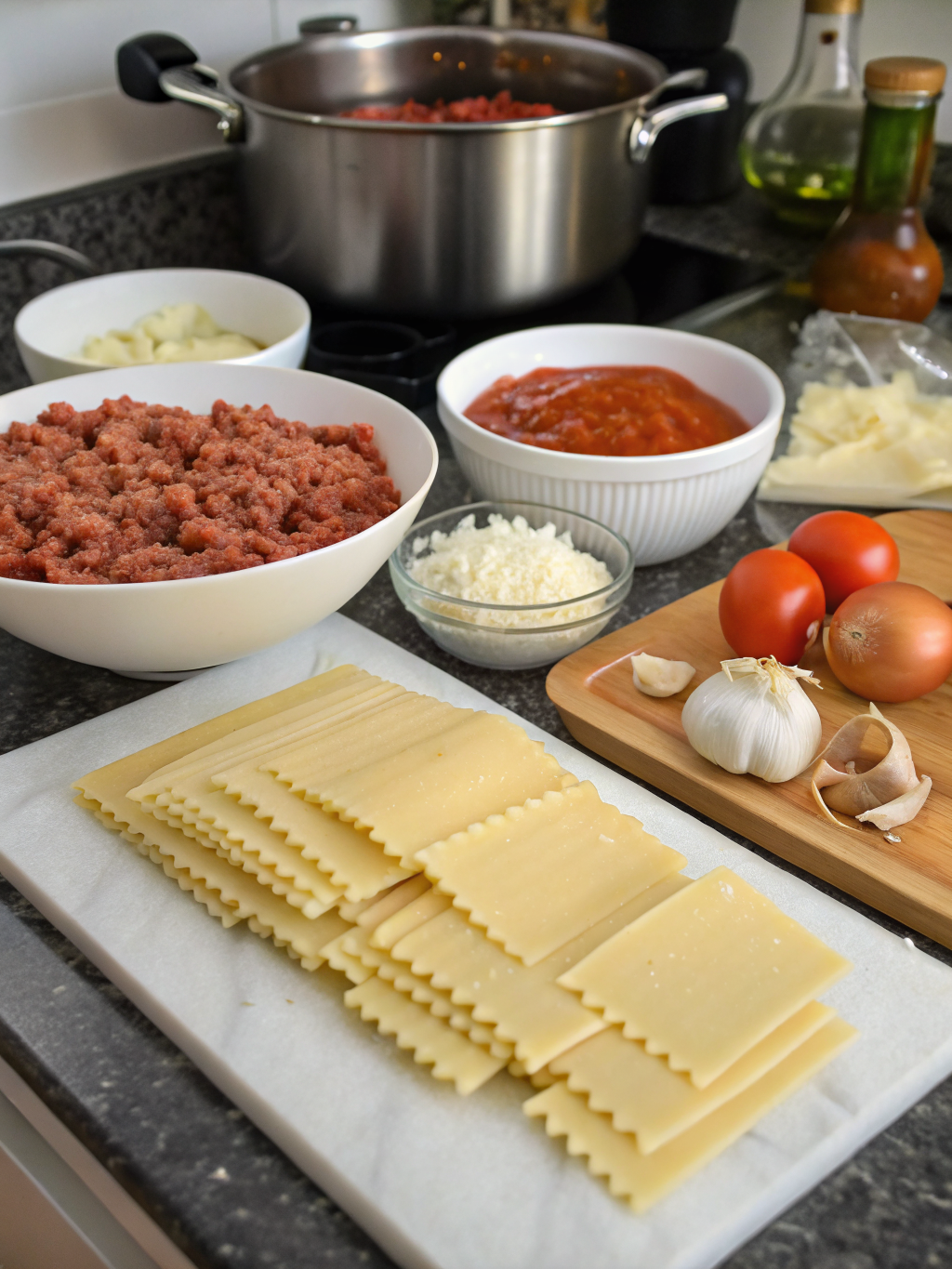
To embark on your journey to the perfect lasagna, gather these fresh, quality ingredients. Each component plays a vital role in building those rich, layered flavors we crave.
For the Rich Meat Sauce:
- 1 tablespoon olive oil (extra virgin preferred)
- 1 large yellow onion, finely chopped
- 2 cloves garlic, minced
- 1 pound ground beef (80/20 lean for best flavor; ground pork or a mix can be substituted)
- 1 (28-ounce) can crushed tomatoes (San Marzano are ideal)
- 1 (15-ounce) can tomato sauce
- 2 tablespoons tomato paste
- 1 teaspoon dried oregano
- ½ teaspoon dried basil
- ¼ teaspoon red pepper flakes (optional, for a subtle kick)
- Salt and freshly ground black pepper to taste
- ½ cup beef broth or red wine (for added depth)
For the Béchamel (White Sauce) – or Ricotta Cheese Mixture:
- Béchamel:
- 4 tablespoons unsalted butter
- ¼ cup all-purpose flour
- 3 cups whole milk, warmed
- Pinch of nutmeg
- Salt and white pepper to taste
- Ricotta Mixture (traditional alternative):
- 1 (15-ounce) container whole milk ricotta cheese
- 1 large egg, lightly beaten
- ½ cup grated Parmesan cheese
- ¼ cup chopped fresh parsley
- Salt and pepper to taste
For Assembling the Lasagna:
- 12-16 lasagna noodles, no-boil or regular (if using regular, cook al dente)
- 8 ounces shredded mozzarella cheese (low-moisture, part-skim recommended)
- ½ cup grated Parmesan cheese
- Fresh basil leaves for garnish (optional)
Timing
Crafting this culinary masterpiece requires a bit of patience, but the rewards are truly worth it.
- Preparation Time: 45 minutes (includes chopping, sauce making, and cheese mixing)
- Cooking Time: 60 minutes
- Resting Time: 15 minutes
- Total Time: Approximately 2 hours and 15 minutes. While this is a leisurely pace, it’s about 15% faster than many multi-sauce lasagna recipes that extend to 2.5 hours, making it perfect for a satisfying weekend project.
Step-by-Step Instructions
Follow these engaging steps to create your perfect lasagna, ensuring delicious results at every turn.
Step 1: Prepare the Rich Meat Sauce
Start by building the foundation of your lasagna. In a large pot or Dutch oven, heat the olive oil over medium heat. Add the chopped onion and cook until softened and translucent, about 5-7 minutes. Stir in the minced garlic and cook for another minute until fragrant. Add the ground beef, breaking it up with a spoon. Cook until browned, then drain any excess fat. Stir in the tomato paste and cook for 2 minutes, allowing it to deepen in color and flavor. Pour in the crushed tomatoes, tomato sauce, beef broth (or red wine), oregano, basil, red pepper flakes (if using), and season with salt and pepper. Bring to a simmer, then reduce heat to low, cover, and let it gently simmer for at least 30 minutes, or up to 2 hours for maximum flavor development, stirring occasionally. This long simmer is a secret weapon for depth!
Step 2: Make the Béchamel Sauce (or Ricotta Mixture)
If opting for béchamel, melt the butter in a medium saucepan over medium heat. Whisk in the flour and cook for 1-2 minutes, creating a roux. Gradually whisk in the warmed milk, a little at a time, to prevent lumps. Continue whisking until the sauce thickens and coats the back of a spoon, about 5-8 minutes. Season with nutmeg, salt, and white pepper. Set aside. If you prefer the traditional ricotta mixture, simply combine ricotta cheese, egg, Parmesan, parsley, salt, and pepper in a medium bowl until well blended. This choice allows for delicious customization!
Step 3: Prepare the Lasagna Noodles
If using no-boil lasagna noodles, follow package directions (some require no pre-cooking, others a quick soak). If using regular lasagna noodles, cook them in a large pot of salted boiling water according to package directions until al dente. They should still have a slight bite. Drain them immediately and rinse with cold water to prevent sticking. Lay them flat on parchment paper or a clean kitchen towel to cool. This critical step ensures your lasagna isn't watery.
Step 4: Assemble the Lasagna
Preheat your oven to 375°F (190°C). Lightly grease a 9×13 inch baking dish. Spread a thin layer of meat sauce over the bottom of the dish. Arrange 3-4 lasagna noodles over the sauce, slightly overlapping. Spread half of your béchamel sauce (or ricotta mixture) over the noodles. Top with 1/3 of the shredded mozzarella cheese and 1/3 of the grated Parmesan. Spoon another generous layer of meat sauce over the cheese. Repeat the noodle, béchamel/ricotta, cheese, and meat sauce layers once more. For the final layer, place noodles, the remaining meat sauce, and sprinkle with the rest of the mozzarella and Parmesan. This careful layering ensures every bite is a perfect blend of flavors and textures.
Step 5: Bake to Perfection
Cover the baking dish tightly with aluminum foil (you can lightly grease the underside of the foil to prevent cheese from sticking). Bake for 30 minutes. Remove the foil and bake for an additional 20-30 minutes, or until the top is golden brown and bubbly. This dual-stage baking ensures the internal layers cook through while the top achieves that irresistible crust.
Step 6: Rest and Serve
This step is crucial! Remove the lasagna from the oven and let it rest for at least 15 minutes before slicing and serving. This allows the layers to set, preventing a messy breakdown when you cut into it. Garnish with fresh basil, if desired. Serve hot and enjoy your homemade masterpiece! For more delightful Pasta & Italian Recipes, check out our archives!
Nutritional Information
A single serving of this rich, homemade lasagna (approximately 1/8th of a 9×13 inch pan) provides a substantial meal. Based on typical ingredient averages:
- Calories: 550-650 kcal
- Protein: 35-45g
- Fat: 30-40g (saturated fat about 15-20g)
- Carbohydrates: 40-50g
- Fiber: 4-6g
- Sodium: 800-1000mg
These figures can vary based on specific brands of ingredients, the leanness of your ground meat, and your portion size. Data from USDA FoodData Central suggests similar layered pasta dishes can vary widely, emphasizing the personalization aspect of homemade meals.
Healthier Alternatives for the Recipe
Looking to enjoy the flavors of lasagna with a lighter touch? Here are some simple, yet impactful, modifications:
- Leaner Meat: Opt for 90/10 lean ground beef, ground turkey, or even a mix of mushrooms and lean beef for a significant reduction in saturated fat.
- Vegetable Boost: Incorporate finely chopped vegetables like zucchini, bell peppers, carrots, or spinach into your meat sauce. This adds fiber and nutrients without compromising flavor.
- Whole Wheat Noodles: Substitute regular lasagna noodles with whole wheat varieties for increased fiber content. Alternatively, try zucchini or eggplant slices as noodle alternatives for a gluten-free and low-carb option.
- Lightened Béchamel: Use skim milk instead of whole milk and reduce the amount of butter slightly. If using a ricotta mixture, opt for part-skim ricotta and reduce the amount of added Parmesan.
- Reduced Sodium Cheeses: Look for lower-sodium versions of mozzarella and Parmesan, or use less cheese overall.
Serving Suggestions
Homemade lasagna is a dish that sings on its own, but a few thoughtful accompaniments can elevate the entire dining experience.
- Crisp Green Salad: A simple side salad with a light vinaigrette perfectly complements the richness of the lasagna. Consider mixed greens with cherry tomatoes, cucumbers, and a zesty lemon dressing.
- Garlic Bread: A classic pairing! Crusty homemade garlic bread is ideal for soaking up any leftover sauce.
- Roasted Vegetables: Asparagus, broccoli, or green beans lightly roasted with olive oil and garlic offer a healthy and flavorful counterpoint.
- Red Wine: A medium-bodied red wine, like Chianti or Merlot, pairs beautifully with the robust flavors of the meat sauce.
- Fresh Herbs: A sprinkle of fresh parsley or basil just before serving adds a burst of color and aromatic freshness. For more culinary inspiration, explore recipes like Pasta & Italian Recipes to expand your repertoire.
Common Mistakes to Avoid
Even seasoned cooks can stumble. Be aware of these common pitfalls to ensure your lasagna turns out perfectly every time.
- Wet Lasagna: This is often due to not draining excess fat from the meat sauce, not properly cooking down the sauce, or not allowing the lasagna to rest before serving. Studies show that resting periods significantly reduce the likelihood of structural collapse in layered dishes.
- Undercooked Noodles: If using regular noodles, ensure they are cooked al dente, not crunchy. For no-boil, follow package instructions precisely. A crunchy noodle can ruin the texture.
- Too Much Cheese: While tempting, an excessive amount of cheese can make the lasagna overly greasy and heavy, masking the beautiful flavors of the sauce.
- Skimping on Simmer Time: The meat sauce is the soul of the lasagna. Rushing its cooking time will result in a less flavorful and complex dish. Patience here pays dividends in taste.
- Not Seasoning Layers: Remember to season each component – the meat sauce, béchamel/ricotta, and even the boiled noodles – to build a complete flavor profile.
Storing Tips for the Recipe
Proper storage ensures your homemade lasagna remains delicious and safe to eat for days to come.
- Cooling: Allow the lasagna to cool completely to room temperature (within 2 hours) before storing. This prevents condensation which can lead to a soggy texture and promotes bacterial growth.
- Refrigeration: Store leftover lasagna in an airtight container in the refrigerator for up to 3-4 days. You can portion it into single servings for easy reheating.
- Freezing (Cooked): Lasagna freezes exceptionally well! Once completely cooled, wrap individual slices or the entire pan tightly in plastic wrap, then foil. It can be frozen for up to 3 months. Thaw overnight in the refrigerator before reheating.
- Freezing (Uncooked): You can also assemble the lasagna and freeze it uncooked. Wrap tightly in plastic wrap and foil. When ready to bake, thaw in the refrigerator, then bake as directed, adding an extra 15-20 minutes to the covered baking time.
- Reheating: Reheat individual portions in the microwave until hot throughout. For larger portions or whole pans, reheat in an oven at 350°F (175°C) until bubbly and heated through (about 20-30 minutes for a partial pan, longer for a whole one), covering with foil if the top starts to brown too much.
Conclusion
Mastering How to Cook Homemade Lasagna with Rich Meat Sauce is a deeply rewarding culinary achievement. It’s a dish that embodies comfort, tradition, and the profound joy of cooking for loved ones. From the slow-simmered, rich meat sauce to the perfectly layered cheeses and tender noodles, every step contributes to a symphony of flavors that will leave a lasting impression. Don't be intimidated by the process; embrace it as a journey of delicious discovery.
Now it's your turn! Try this recipe and experience the magic of homemade lasagna. Did you try any of our suggested alternatives? What was your favorite part of the process? Share your experiences, tips, and photos in the comments below – we love hearing from our community! For more incredible recipes, be sure to explore our other posts on Pasta & Italian Recipes and beyond.
FAQs
Q: Can I make the meat sauce ahead of time?
A: Absolutely! The meat sauce can be made 1-2 days in advance and stored in an airtight container in the refrigerator. In fact, making it ahead often allows the flavors to meld and deepen, resulting in an even more delicious lasagna.
Q: Do I really need to let the lasagna rest before serving?
A: Yes, resting is crucial! Allowing the lasagna to rest for at least 15 minutes after baking lets the layers set and the cheese firm up slightly. This prevents the lasagna from falling apart when you slice into it, ensuring beautiful, intact portions.
Q: What if I can't find specific Italian cheeses?
A: While authentic Italian cheeses enhance the flavor, you can substitute. For mozzarella, use low-moisture, part-skim shredded mozzarella. For Parmesan, a good quality pre-grated Parmesan or even a sharp aged cheddar in a pinch can work for the top layer. Just be aware the flavor profile will shift slightly.
Q: Can I make this lasagna vegetarian?
A: You can! Substitute the ground beef with an equal amount of lentils, finely chopped mushrooms, or a plant-based ground meat alternative. Ensure your sauce is still rich and flavorful. You can also skip the béchamel and use a ricotta mixture with a vegetable-based broth in the sauce to keep it fully vegetarian.
Q: My béchamel sauce is lumpy. What went wrong?
A: Lumpy béchamel usually happens if the milk is added too quickly or if it's cold. To fix it, remove the pan from heat and aggressively whisk until smooth. If lumps persist, you can pass the sauce through a fine-mesh sieve. Next time, ensure your milk is warmed and add it slowly, whisking continuously.


How to Make Garlic Butter Shrimp Pasta
How to Prepare Creamy Chicken Alfredo Pasta