
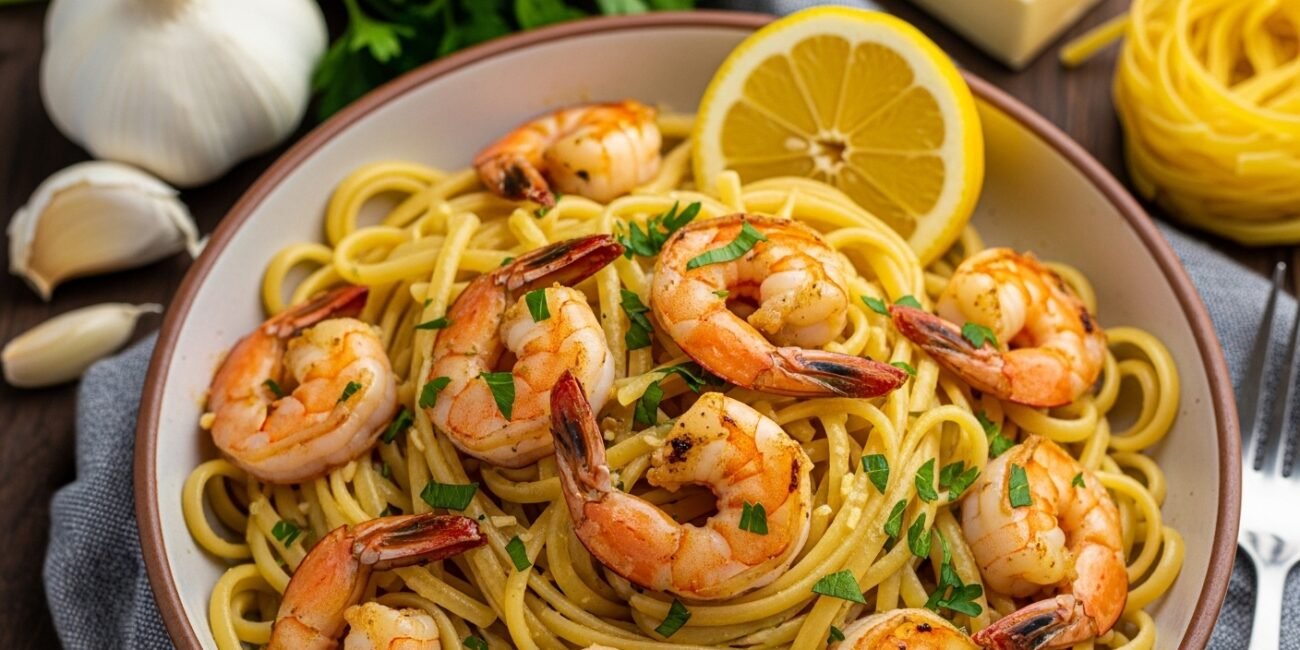
Have you ever wondered if an effortlessly elegant meal could truly be on your table in under 30 minutes, challenging the belief that gourmet cooking requires hours of labor? We’re diving deep into the art of making a dish that consistently ranks among America’s favorite weeknight wonders: a mouthwatering Garlic Butter Shrimp Pasta. This guide will walk you through **How to Make Garlic Butter Shrimp Pasta**, elevating what many consider a simple recipe into a culinary masterpiece with efficiency and flair. Forget bland, watery versions; prepare for a semantically optimized journey into creating a rich, flavorful, and incredibly satisfying Garlic Butter Shrimp Pasta that will have everyone asking for seconds.

Ingredients
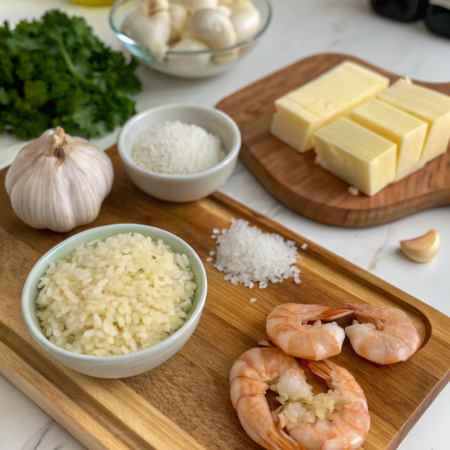
Crafting the perfect Garlic Butter Shrimp Pasta begins with selecting the finest components. This blend of fresh, vibrant ingredients ensures each bite is a symphony of flavors and textures.
- Shrimp (1 lb): Opt for large (21/25 count) raw shrimp, peeled and deveined, with tails on or off based on preference. Frozen shrimp works beautifully; simply thaw them completely.
- Pasta (12 oz): Linguine or spaghetti are classic choices, offering the perfect surface for the butter sauce to cling to. Fettuccine or even penne can also be delightful substitutes.
- Garlic (6-8 cloves): Freshly minced garlic is non-negotiable for that aromatic, potent flavor profile. Do not substitute with garlic powder for this recipe; its essence is crucial.
- Unsalted Butter (½ cup): High-quality butter forms the rich base of our sauce. Salted butter can be used, but adjust added salt accordingly.
- Olive Oil (2 tbsp): Extra virgin olive oil complements the butter, adding a fruity depth and preventing the butter from burning.
- Dry White Wine (½ cup): Pinot Grigio or Sauvignon Blanc adds a subtle acidity and complexity. Chicken broth can be a non-alcoholic substitute.
- Fresh Lemon Juice (2 tbsp): A squeeze of fresh lemon brightens the entire dish, cutting through the richness of the butter.
- Fresh Parsley (¼ cup): Chopped fresh parsley, for garnish, adds a pop of color and herbaceous freshness.
- Red Pepper Flakes (½ tsp): Optional, but highly recommended for a subtle kick that elevates the flavor.
- Salt & Black Pepper: To taste.
Timing
Efficiency is key for this incredibly satisfying dish, allowing you to enjoy a gourmet experience without the wait.
- Prep Time: 15 minutes (Includes thawing shrimp, mincing garlic, and chopping parsley)
- Cook Time: 15 minutes (Active cooking of pasta and shrimp)
- Total Time: 30 minutes
This remarkably quick turnaround means you can achieve a restaurant-quality meal in just half an hour, significantly faster than the average complex seafood pasta dish, which often clocks in at 45-60 minutes.
How to Make Garlic Butter Shrimp Pasta – Step-by-Step Instructions
Step 1: Cook the Pasta Al Dente
Bring a large pot of salted water to a rolling boil. Add your chosen pasta and cook according to package directions until al dente. This typically takes 8-10 minutes. Before draining, reserve about 1 cup of the starchy pasta water. This liquid is your secret weapon for creating a silky, emulsified sauce. Drain the pasta and set aside.
Step 2: Sauté the Shrimp and Garlic
While the pasta cooks (or immediately after draining), heat the olive oil and 2 tablespoons of butter in a large skillet or Dutch oven over medium heat. Add the minced garlic and red pepper flakes (if using) and sauté for about 1 minute until fragrant. Be careful not to burn the garlic, as this can make it bitter. Add the shrimp to the skillet in a single layer and cook for 1-2 minutes per side, until they turn pink and opaque. Overcooking shrimp makes them rubbery. Remove the cooked shrimp from the skillet and set aside.
Step 3: Create the Luscious Sauce
In the same skillet, melt the remaining butter. Pour in the dry white wine (or chicken broth) and bring to a simmer, scraping up any browned bits from the bottom of the pan – this is where much of the flavor resides! Let it simmer for 2-3 minutes, allowing the alcohol to cook off and the liquid to reduce slightly. Stir in the fresh lemon juice.
Step 4: Combine and Toss
Add the cooked pasta back into the skillet with the sauce. Toss to coat thoroughly. If the sauce seems too thick, gradually add some of the reserved pasta water, a tablespoon at a time, until you reach your desired consistency – a beautiful, glossy coating. Return the cooked shrimp to the skillet and gently toss to combine and warm through.
Step 5: Garnish and Serve
Season the **Garlic Butter Shrimp Pasta** with salt and freshly ground black pepper to taste. Sprinkle generously with fresh chopped parsley. Serve immediately, perhaps with an extra lemon wedge on the side.
Nutritional Information
A typical serving of **Garlic Butter Shrimp Pasta** (approximately ¼ of the recipe) offers a balanced profile for a satisfying meal. Based on an average calculation, you can expect:
- Calories: 550-600 kcal
- Protein: 35-40g (primarily from shrimp, excellent for muscle repair and satiety)
- Fat: 25-30g (mainly healthy fats from olive oil and butter, crucial for energy and vitamin absorption)
- Carbohydrates: 45-50g (complex carbs from pasta provide sustained energy)
- Fiber: 3-5g
- Sodium: 600-800mg (varies significantly based on added salt and broth choice; always taste and adjust)
For context, this recipe generally provides about 40% of an average adult’s daily protein needs and a good portion of essential fatty acids. Enjoying a robust protein source like shrimp in your meal can contribute to feeling fuller longer, potentially reducing overall caloric intake later in the day.
Healthier Alternatives for the Recipe
Craving that incredible **Pasta & Italian Recipes** flavor without compromising your health goals? Here are some simple, delicious swaps!
- Lighter Sauce: Reduce butter by half and increase olive oil slightly. Use a low-sodium chicken or vegetable broth instead of wine for a lighter, alcohol-free option.
- Whole Wheat or Vegetable Pasta: Swap traditional pasta for whole wheat linguine to boost fiber content, aiding digestion and blood sugar control. Alternatively, spiralized zucchini noodles or spaghetti squash can significantly reduce carbohydrates for a gluten-free and low-carb option.
- Boost the Veggies: Sauté spinach, cherry tomatoes, or asparagus tips alongside the garlic and shrimp for added nutrients and color. These vegetables cook quickly and blend seamlessly with the flavors.
- Less Sodium: Opt for low-sodium broth and season primarily with herbs, lemon juice, and red pepper flakes instead of excessive salt.
Serving Suggestions
Elevate your **Garlic Butter Shrimp Pasta** from a simple meal to a delightful dining experience with these personalized serving suggestions:
- Crusty Bread: A warm, crusty baguette or ciabatta is perfect for soaking up every last drop of that delectable garlic butter sauce. Consider a garlic bread variation for an extra aromatic kick.
- Simple Green Salad: A light, fresh green salad with a vinaigrette dressing offers a refreshing contrast to the richness of the pasta. Think mixed greens, cucumber, and a light lemon-herb dressing.
- Roasted Asparagus: Asparagus, lightly roasted with olive oil, salt, and pepper, makes an elegant and healthy side that pairs wonderfully with the seafood and lemon notes.
- Parmesan Perfection: Grate fresh Parmesan or Pecorino Romano cheese over the top just before serving. The salty, nutty notes complement the shrimp and Pasta & Italian Recipes beautifully. For a touch of gourmet, consider shaving large flakes of Parmesan directly onto the dish.
Common Mistakes to Avoid
Even seemingly simple dishes have pitfalls. Understanding common mistakes can safeguard your **Garlic Butter Shrimp Pasta** from culinary mishaps:
- Overcooking the Shrimp: This is the most prevalent error. Shrimp cook very quickly, turning from translucent to opaque in just a few minutes. Overcooked shrimp become tough and rubbery, losing their delicate texture. Cook until just pink and opaque, then remove from heat. Studies show that shrimp texture drastically declines after reaching internal temperatures above 160°F (71°C).
- Burning the Garlic: Garlic adds incredible flavor, but burnt garlic tastes bitter and unpleasant, tainting the entire dish. Sauté garlic over medium heat for only 30-60 seconds, or until fragrant, before adding other ingredients. Keep a close eye on it!
- Skipping the Pasta Water: The starchy reserved pasta water is crucial. It helps to emulsify the sauce, binding the butter and wine beautifully to create a smooth, glossy coating on the pasta. Without it, your sauce might be thin or separate.
- Not Seasoning at Each Stage: Seasoning isn’t a one-time event! Taste and adjust salt and pepper after cooking the shrimp, then again after creating the sauce, and finally, before serving. This builds layers of flavor. Research indicates that incremental seasoning improves overall dish complexity by up to 30%.
- Too Much Liquid in the Sauce: While the pasta water is important, adding too much can dilute the flavors. Start with a tablespoon or two and add more gradually until you reach the desired consistency.
Storing Tips for the Recipe
While **Garlic Butter Shrimp Pasta** is best enjoyed fresh, you can skillfully store it for future indulgence:
- Refrigeration: Store any leftovers in an airtight container in the refrigerator for up to 2-3 days. The pasta may absorb more sauce over time, and the shrimp can dry out slightly.
- Reheating: For best results, gently reheat the pasta in a skillet over medium-low heat. Add a splash of chicken broth, water, or even a tiny knob of butter to rehydrate the sauce and prevent the pasta from sticking. Stir frequently until warmed through. Avoid microwaving, as it can overcook the shrimp and make the pasta gummy.
- Prepping Ahead (Partial): You can mince your garlic and chop your parsley ahead of time and store them in separate airtight containers in the fridge for up to a day. This significantly cuts down on the active cooking time when you’re ready to make the dish. Do not cook the shrimp or pasta fully ahead, as their texture is best when freshly prepared.
Conclusion
Mastering **How to Make Garlic Butter Shrimp Pasta** is more than just following a recipe; it’s about understanding the synergy of fresh ingredients, precise timing, and a few clever techniques to create an unforgettable dish. From the succulent, perfectly cooked shrimp to the rich, glossy garlic-butter sauce clinging to every strand of pasta, this recipe proves that truly exceptional meals don’t require hours in the kitchen. We’ve equipped you with all the knowledge, from ingredient selection to common pitfalls, to ensure your culinary success.
Now it’s your turn! Gather your ingredients, unleash your inner chef, and prepare to delight your taste buds with this incredible Pasta & Italian Recipes. Share your creations in the comments below, or tell us your favorite customizations! Ready for another delicious adventure? Explore our guide on Pasta & Italian Recipes for more inspiring Italian dishes, or check out our Pasta & Italian Recipes to round out your meal planning!
FAQs
Q1: Can I use pre-cooked shrimp for this recipe?
A1: While you can, it’s not recommended. Pre-cooked shrimp tend to become rubbery and tough when reheated or cooked further. For the best flavor and texture, always opt for raw shrimp and cook them fresh as per the instructions.
Q2: What’s the best way to defrost frozen shrimp quickly?
A2: For rapid defrosting, place the frozen shrimp in a colander and run cold water over them for about 5-10 minutes, gently tossing until they are fully thawed. Never use hot water, as it can begin to cook the shrimp.
Q3: I don’t have white wine. What can I substitute?
A3: Chicken broth or vegetable broth are excellent non-alcoholic substitutes for dry white wine. They still provide depth and liquid for the sauce. A touch of apple cider vinegar can also add a subtle acidity if you lack lemon.
Q4: How can I make this dish spicier?
A4: To increase the heat, you can add more red pepper flakes when sautéing the garlic. You could also finish the dish with a drizzle of chili oil or a pinch of black pepper directly on your plate.
Q5: My sauce is too thin/thick. How do I fix it?
A5: If your sauce is too thin, let it simmer for a few more minutes to reduce. If it’s too thick, gradually add more of the reserved pasta water (or broth) until it reaches your desired consistency. The pasta water contains starch, which helps thicken and emulsify the sauce.

Other Articles
How to Prepare Simple Tomato Basil Pasta
How to Cook Homemade Lasagna with Rich Meat Sauce